

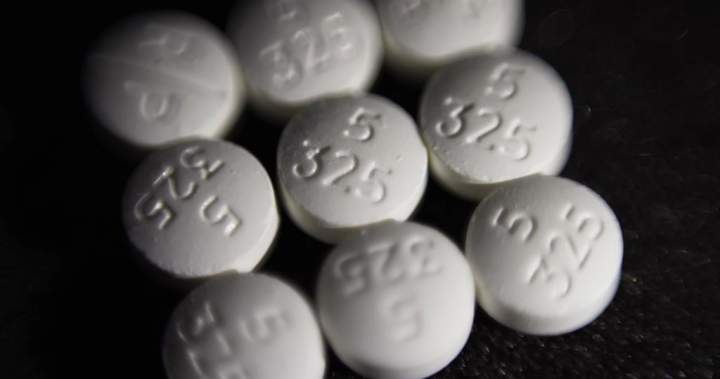
Pharmacists say shortages of medicines including oxycodone are expected to continue into the new year, but supplies of another type of painkiller have increased since nationwide chaos over the summer.
In July, Health Canada issued a notice of shortage of medicines containing acetaminophen and oxycodone, including those under the brand name Percocet.
Acetaminophen with codeine, including Tylenol 3, was also in short supply.
Due to manufacturing disruptions, it was supposed to last until early fall.
These drugs are prescribed to treat a variety of ailments, ranging from acute injuries to chronic back pain.
Sadaf Faisal, senior director of professional affairs at the Canadian Pharmacists Association, said medicines containing codeine, such as Tylenol 3, are back in stock. Tylenol 2 and 4 remain in limited supply and are prescribed infrequently, she said.

Shortages of drugs including acetaminophen and oxycodone continue, and Faisal said manufacturers have indicated some supplies will be available in December, albeit with constraints due to backorders.

Get weekly health news
Get the latest medical news and health information every Sunday.
“We hope that the situation will improve by the new year,” Faisal said.
current trends

Specter of 1995 budget cuts puts public sector unions in crisis

FDA's top drug regulator resigns after federal investigation into 'serious concerns'
She said there are other painkillers with similar ingredients that health care providers can prescribe as alternatives.
Mina Tadros, an associate professor at the University of Toronto's School of Pharmacy, said switching a patient's pain medication takes a lot of time and resources and can strain an already stretched system.
“It's really important to talk to your pharmacist and team early on, before you run out of medication, because no one wants to deal with a day when there's nothing left,” Tadros says.
According to the Canadian Pharmacists Association, there is a shortage of 1,500 to 2,000 medicines in the country at any given time.
Tadros said the impact will be felt on a larger scale when commonly used medicines are hit by shortages.
“When you have a shortage or a supply chain disruption, it's like a slow train. It takes time and then you kind of take a hit,” Tadros said.
“The problem is, once it's depleted, it takes months to replenish it.”
More about Canada More videos
© 2025 The Canadian Press